
追鸟:一场跨越千年的迁徙发现
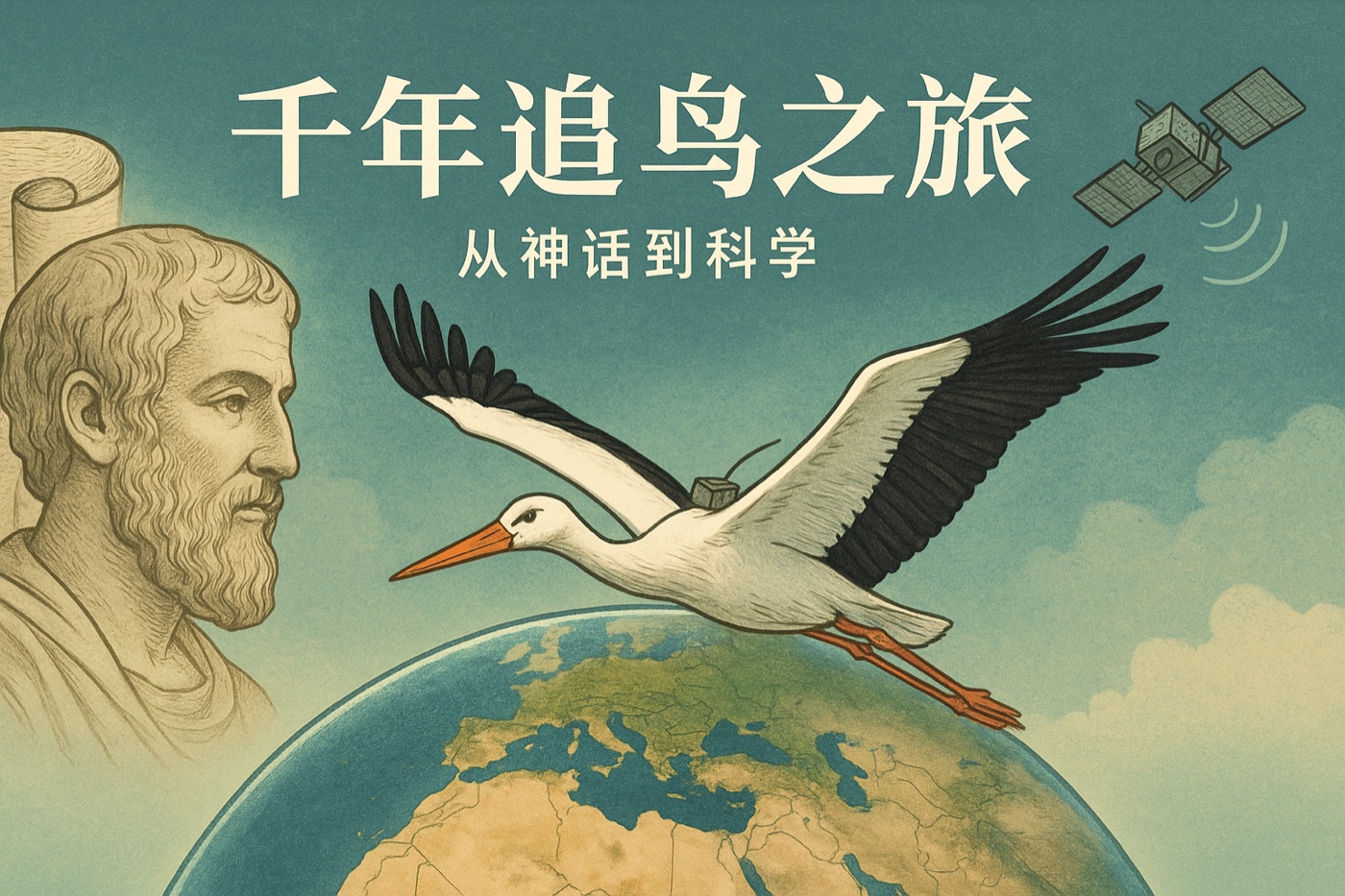
每年秋天,一些熟悉的鸟会突然从生活里消失。春天,它们又像没有发生过任何事一样回来。对古人来说,这个问题既简单又神秘:它们究竟去了哪里?
答案的寻找过程,几乎就是一部缩小版的人类认知史。人们先猜错,再争论,然后留下标记、等待证据,最终学会把一只鸟的飞行放到全球尺度上理解。
Every autumn, familiar birds disappear. In spring, they return as if nothing unusual had happened. For early observers, the question was both simple and mysterious: where do they go?
The search for an answer is a compact history of human understanding. People guessed, argued, marked individual birds, waited for evidence and eventually learned to see a single flight at a global scale.
一开始,人类几乎全猜错了
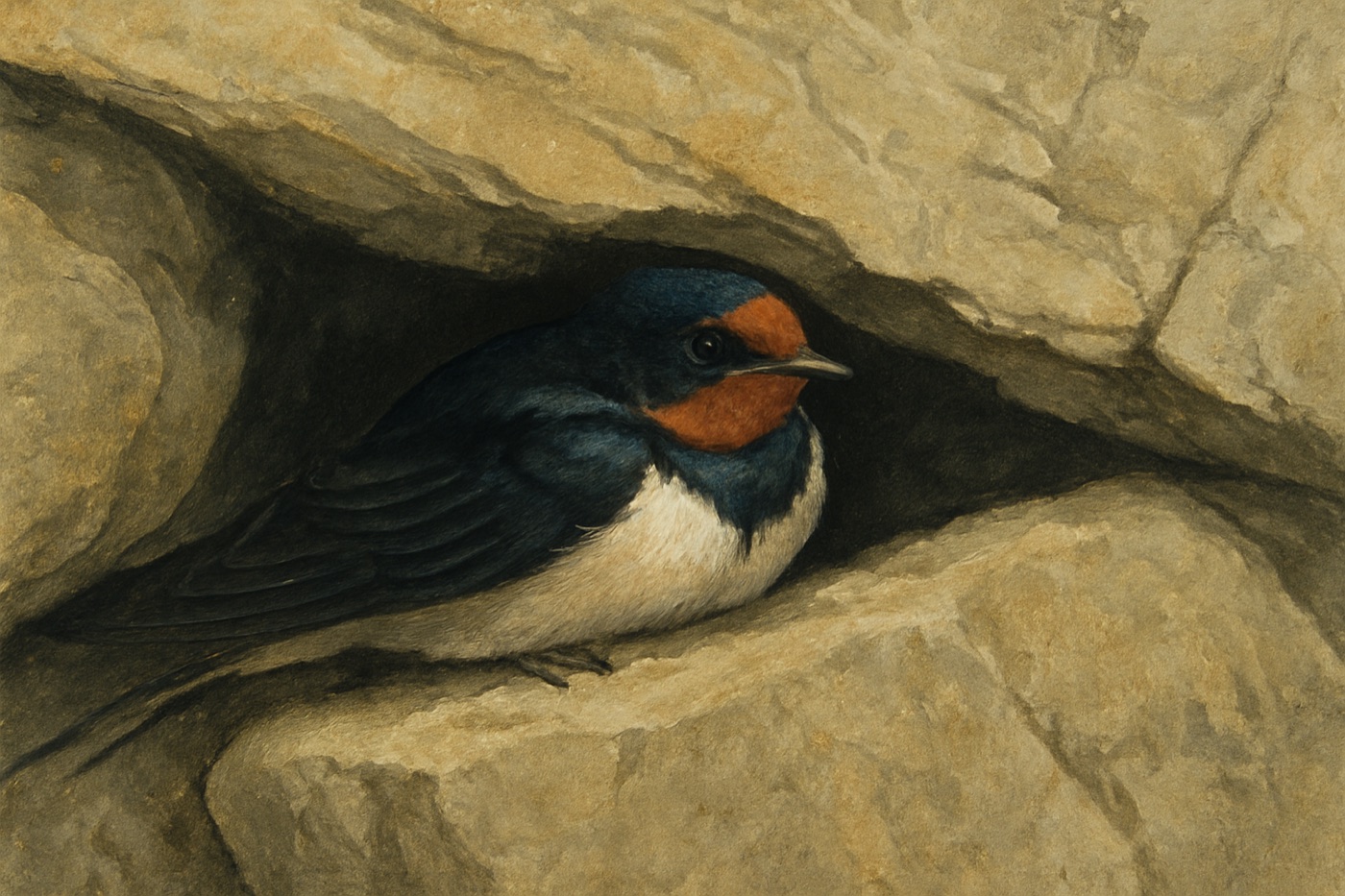
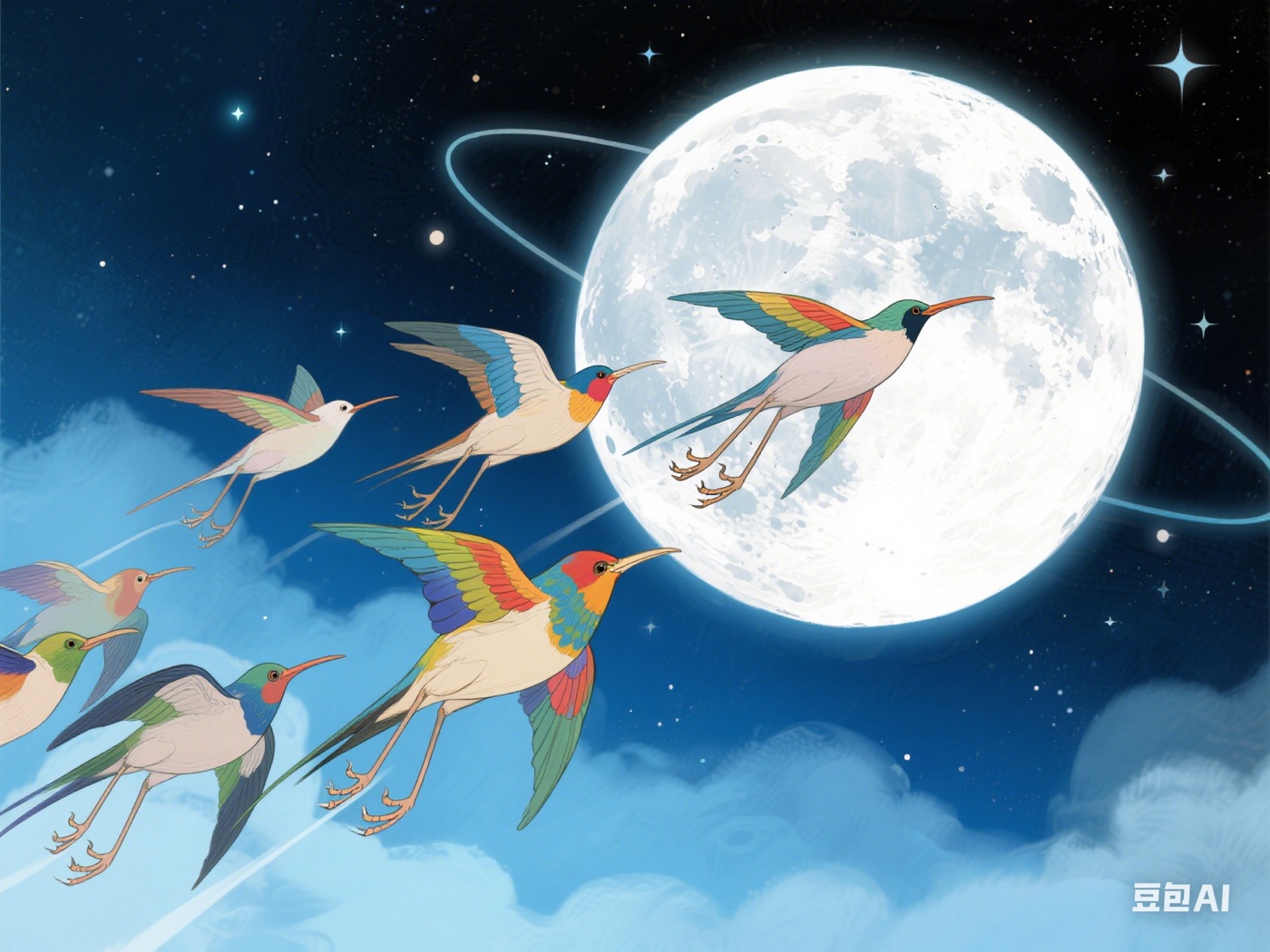
亚里士多德曾认为,燕子可能会在岩石缝隙里冬眠。中世纪的一些观察者甚至猜测,小鸟会飞向月球。那时没有个体标记,也没有稳定的观察网络,消失与重现之间只能靠想象填补。
这类错误并不可笑。它提醒我们:当证据不足时,最自然的反应不是承认不知道,而是给出一个听起来完整的故事。
At first, almost everyone guessed wrong
Aristotle suggested that swallows might hibernate in rock crevices. Some medieval observers imagined that small birds flew to the moon. Without individual marks or a reliable observation network, imagination filled the gap between disappearance and return.
Those mistakes are not merely amusing. They show how readily people replace missing evidence with a story that sounds complete.
1822 年,一支木矛穿过天空
1822 年,德国猎人发现了一只返回春天的白鹳,它的身体里贯穿着一支来自非洲的木矛。这不是一则漂亮的寓言,而是一条可以被检查、测量、争论的物证。
从那一刻起,“鸟会跨越大陆”不再只是猜想。一个物体从远方穿越回来,把遥远的地理距离压缩成了一个可以直接观察的事实。
In 1822, an African spear returned with a stork
In 1822, a German hunter found a white stork returning in spring with an African spear embedded in its body. This was not a neat fable. It was physical evidence that could be inspected, measured and argued over.
From that point, migration was no longer only speculation. A foreign object had crossed continents and returned inside a living bird, compressing an enormous distance into something directly observable.
追踪技术,把猜测变成证据
真正可靠的研究需要回答更具体的问题:哪一只鸟,什么时候离开,经过了哪里,停留在哪里,又为什么选择这条路线?
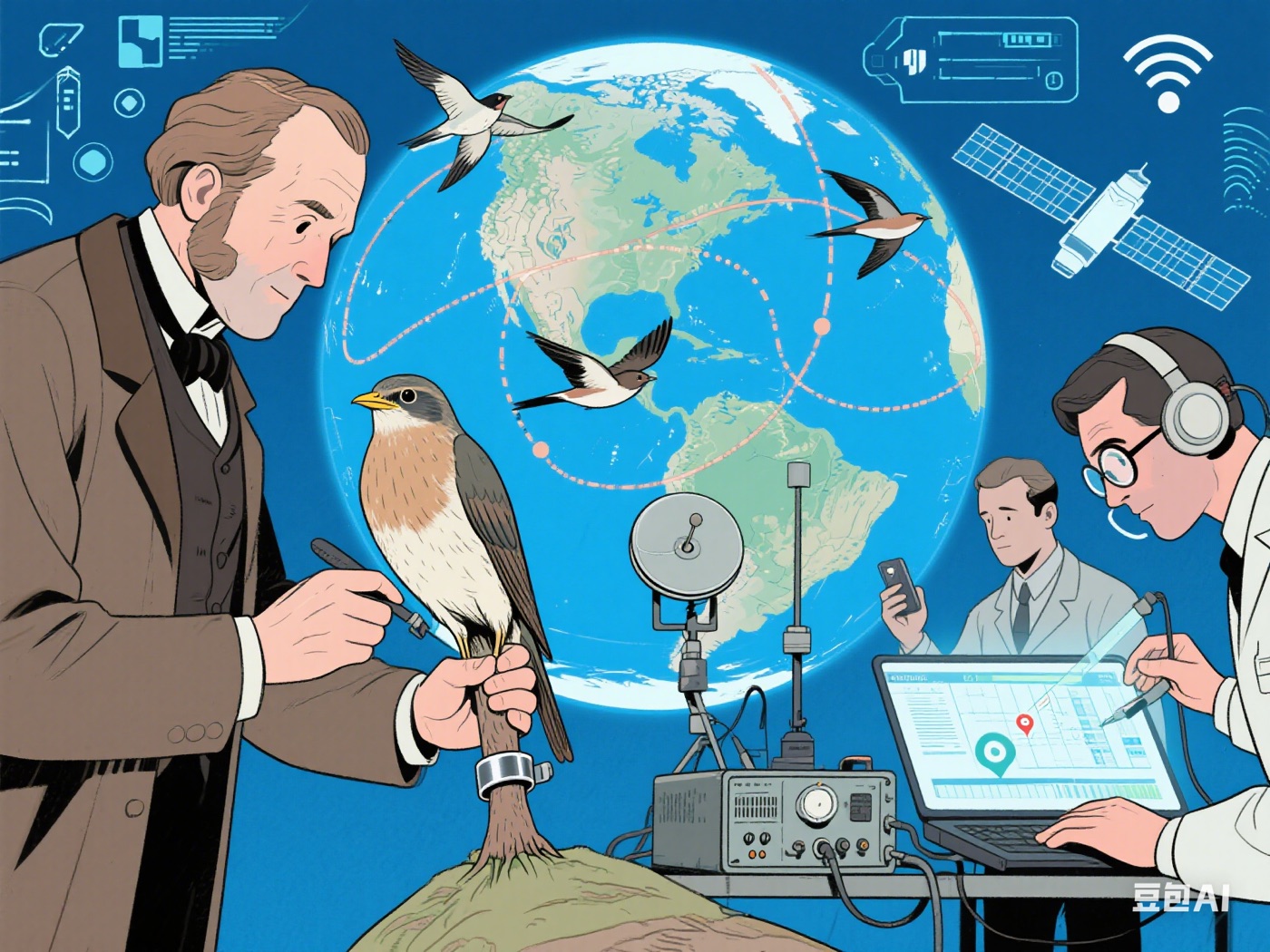
- 19 世纪末:科研人员开始给鸟腿戴上金属环,用重捕记录证明个体迁徙路线。
- 20 世纪中期:雷达和无线电发射器让科学家第一次能连续观察运动轨迹。
- 21 世纪:GPS、卫星和微型传感器把迁徙变成高分辨率的时间序列。
技术没有替人类提出问题,但它让问题变得可以被检验。
Tracking turned guesses into evidence
Reliable research required more specific questions: which bird left, when did it leave, where did it stop, and why did it choose that route?
- Late 19th century: metal leg bands and recapture records revealed individual migration paths.
- Mid 20th century: radar and radio transmitters made continuous movement observable.
- 21st century: GPS, satellites and miniature sensors turned migration into high-resolution time-series data.
Technology did not replace human curiosity. It made curiosity testable.
E7:11,000 公里,没有停下来
2007 年,一只名为 E7 的斑尾塍鹬从阿拉斯加起飞。它没有中途进食,也没有落脚休息,连续飞行约 11,000 公里 后抵达新西兰。
这不是一次普通的“长途飞行”。它迫使研究者重新思考能量储备、天气窗口、身体极限和迁徙路线之间的关系。更重要的是,E7 的故事有了可以被复核的时间、地点和轨迹。
E7: 11,000 kilometres without stopping
In 2007, a bar-tailed godwit named E7 took off from Alaska. It did not feed or land along the way. After roughly 11,000 kilometres, it reached New Zealand.
This was not simply a very long flight. It forced researchers to rethink energy reserves, weather windows, physiological limits and route selection. More importantly, E7’s story came with time, place and a track that others could examine.
你也可以成为“观鸟侦探”
今天的迁徙研究不只属于大型实验室。普通观察者记录到的时间、地点和数量,也可以在长期尺度上成为重要数据。
- 在手机或电脑上注册 eBird。
- 记录一次真实观察:时间、地点、物种和数量。
- 保持稳定更新,哪怕每次只记录身边最常见的鸟。
科学并不总从宏大的设备开始。有时候,它从一个人愿意认真记录一只鸟开始。
You can be a bird detective too
Migration research no longer belongs only to large laboratories. Observations from ordinary people can become important data when they are consistent over time.
- Create an account on eBird.
- Record a real observation: date, place, species and count.
- Keep contributing, even if it is only the common bird outside your window.
Science does not always begin with a grand instrument. Sometimes it begins when one person decides to record one bird carefully.
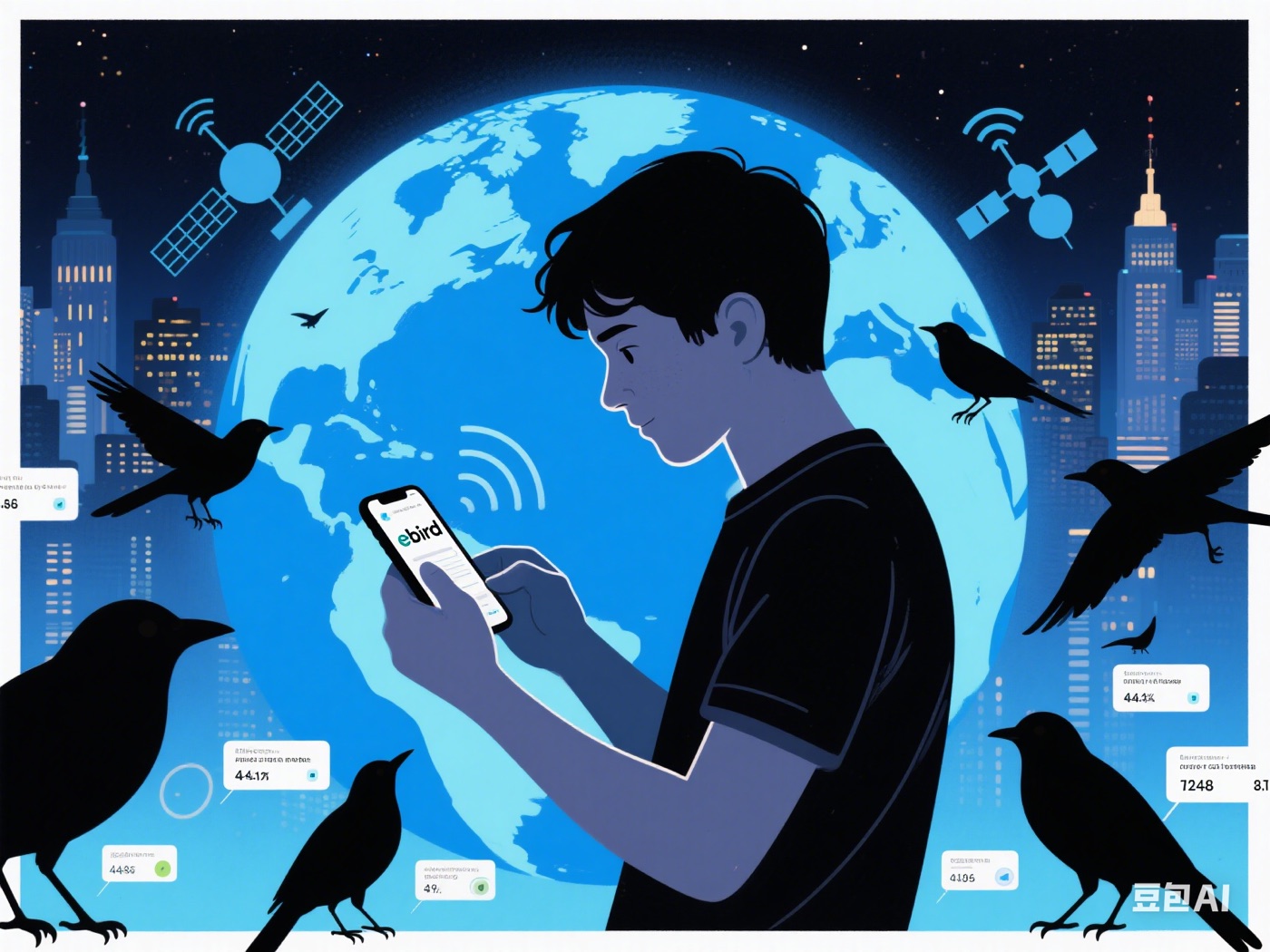
从岩石缝隙到月球,从一支木矛到 11,000 公里的轨迹,人类对候鸟的理解,是一次不断修正错误、重新观察世界的过程。
From rock crevices to the moon, from an embedded spear to an 11,000-kilometre track, our understanding of migration is a record of correcting mistakes and learning to look again.
神话让故事开始,科学给它翅膀。 Myth starts the story. Science gives it wings.